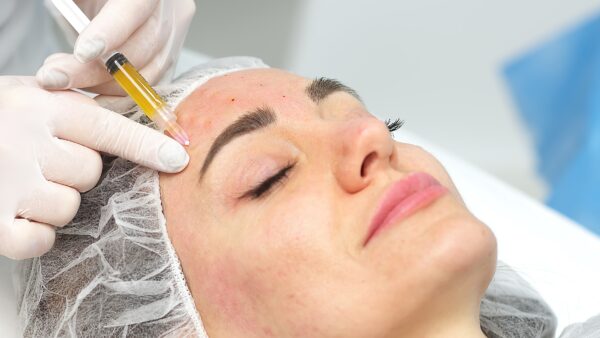
Natural-Looking Results
A mini facelift can refresh the lower face while maintaining your individual facial character and creating a more natural-looking appearance.
A personalised approach to facial rejuvenation that addresses early signs of lower-face ageing while preserving your natural appearance and individuality.
A mini facelift focuses on early to moderate signs of ageing in the lower face, particularly loose skin and changes around the jawline.
Your surgeon uses a more focused surgical approach than a traditional facelift. Smaller incisions, often placed around the ears, allow the surgeon to lift and tighten selected areas while keeping the treatment tailored to your facial structure and goals.
This approach can suit people who want to address mild to moderate facial sagging without choosing a more extensive facelift procedure.
A focused approach for mild to moderate ageing, with smaller incisions and treatment centred on the lower face and jawline.
A more extensive surgical approach that can address broader and more pronounced facial ageing.
A mini facelift offers a focused approach to facial rejuvenation for people who want to address early signs of ageing while maintaining a natural appearance.
A mini facelift can refresh the lower face while maintaining your individual facial character and creating a more natural-looking appearance.
The procedure uses a more limited surgical approach, making it suitable for selected mild to moderate signs of facial ageing.
The more focused nature of the procedure can support a shorter recovery period compared with a more extensive facelift.
Smaller incisions, often placed around the ears, can help limit visible scarring as the surgical areas heal.
A mini facelift can provide lasting facial rejuvenation, although the duration of results varies between individuals.
A mini facelift can cost less than a traditional facelift because it generally involves a more limited surgical approach.
The right approach depends on your facial anatomy, degree of ageing, goals, and overall treatment plan.
A mini facelift uses a focused surgical approach to refresh the lower face and improve the appearance of mild to moderate sagging around the jawline.
Your surgeon evaluates your facial structure, skin condition, and treatment goals. This assessment helps determine the surgical approach that suits your needs.
Your surgeon selects the appropriate anaesthesia based on your procedure and individual needs. Local anaesthesia with sedation may be used, while some cases may require general anaesthesia.
Your surgeon makes small incisions around the ears, often following the hairline or natural contours behind the ear to help keep visible scarring discreet.
Your surgeon adjusts the underlying tissues and removes excess skin where appropriate. This helps reduce sagging and create a more defined lower face and jawline.
Your surgeon carefully closes the incisions with suitable sutures or surgical adhesive. Careful closure supports healing and helps minimise the appearance of scars.
A mini facelift generally takes around 2–4 hours. Many patients can return home the same day, depending on their individual procedure and recovery needs.
Some swelling and bruising can occur after surgery. Your surgeon will provide personalised aftercare instructions to support your recovery.
A mini facelift may suit people who want to address early signs of facial ageing with a focused surgical approach and a natural-looking change.
Your surgeon will assess your skin, facial structure, degree of sagging, and treatment goals during your consultation.
A mini facelift can work well when ageing has created mild to moderate changes around the lower face and jawline, without requiring a more extensive facelift.
You notice early or moderate looseness around the lower face, cheeks, or jawline.
You have developing jowls, lower-face sagging, or early changes beneath the chin.
You want to improve skin firmness and lower-face definition without choosing a full facelift.
You prefer a more limited procedure and a shorter recovery than a more extensive facial lift.
You want a refreshed appearance that preserves your individual facial character.
Candidacy depends on your anatomy, skin condition, degree of ageing, goals, and overall suitability for surgery. A personal consultation helps determine whether a mini facelift fits your needs.
Mini facelift results can create a firmer, more defined lower face while preserving the individual features that make each patient unique.
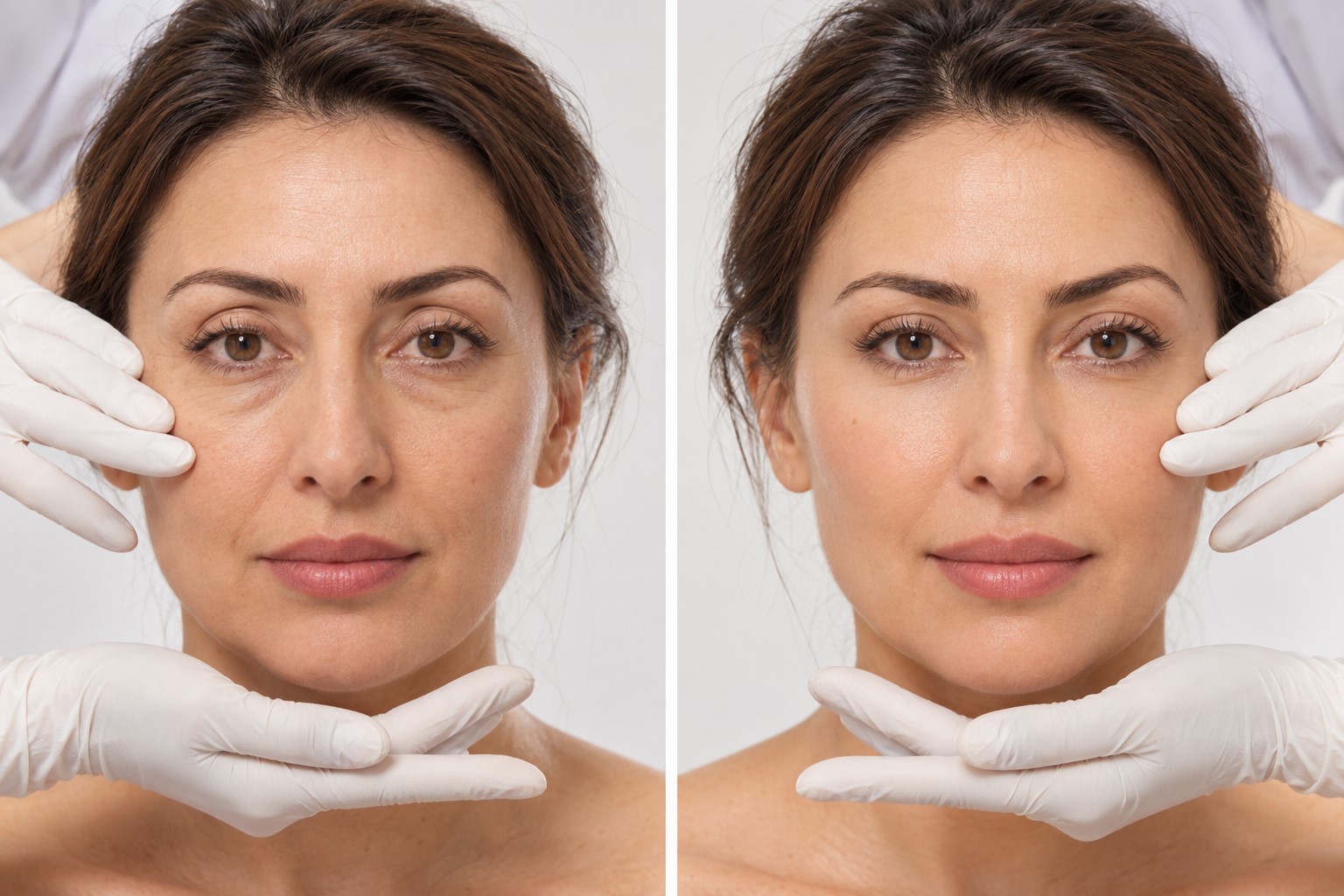
A mini facelift can improve early signs of lower-face ageing while keeping your facial character intact. The goal focuses on refinement rather than dramatic change.
Lifting selected areas can create a clearer and more defined jawline.
The procedure can improve mild sagging around the lower cheeks and jawline.
Tightening selected tissues can create a smoother and firmer facial appearance.
Treatment aims to refresh your appearance without making your features look altered.
Results depend on factors such as facial anatomy, skin quality, healing, and the surgical approach.
Recovery after a mini facelift usually progresses gradually. Swelling, bruising, and mild discomfort can occur at first, while your face continues to settle over the following weeks.
Swelling, bruising, tightness, and mild discomfort are common during the first few days. Keeping your head elevated can help reduce swelling.
Swelling usually starts to decrease and you may feel more comfortable. Your surgeon may assess your healing and remove stitches when appropriate.
Bruising generally continues to fade during this period. Many patients gradually return to normal daily activities as their surgeon allows.
Your facial tissues continue to settle as healing progresses. Swelling gradually decreases and the results become more refined over time.
Follow your surgeon's personalised aftercare instructions.
Keep your head elevated as recommended to help manage swelling.
Avoid strenuous activity until your surgeon confirms that you can resume it.
Protect your healing skin and attend scheduled follow-up appointments.
Recovery varies between individuals. Your surgeon will provide specific guidance based on your procedure, healing progress, and individual needs.
Healing progresses gradually after a mini facelift. The timeline below gives you a general guide to the changes you may notice as your face continues to heal.
Swelling and bruising may be most noticeable during the first two days. Your face may feel tight, and mild discomfort can occur during this early stage.
Bruising gradually starts to fade while swelling begins to decrease. Your lower face may still feel tight as the tissues continue to heal.
Many patients notice continued improvement as swelling decreases. Some bruising may remain, but the early signs of healing become less visible.
Swelling and bruising continue to improve. Many patients begin returning to normal activities as their surgeon confirms that healing allows.
The facial tissues continue to settle and the skin adjusts to its new position. Any remaining swelling usually becomes less noticeable.
Your results continue to settle and mature as healing progresses. Subtle changes may continue beyond the first month.
Recovery varies from person to person. Your surgeon will provide individual guidance based on your procedure, healing progress, and overall needs.
The cost of a mini facelift varies from patient to patient. Your final treatment plan depends on the surgical approach, anaesthesia, facility, and any additional procedures.
This range provides a general reference. Your personalised quotation will depend on your individual treatment plan and the services included.
A personalised consultation is required for an accurate quote.The surgeon’s experience and expertise can influence the overall surgical fee.
The clinic, outpatient facility, or hospital used for the procedure can affect the total cost.
The type of anaesthesia and related services can contribute to the final treatment cost.
Combining the mini facelift with other treatments can increase the overall cost.
Discuss your goals with our team and receive guidance based on your individual treatment plan.
A mini facelift can provide refreshed, firmer-looking results for several years, while the natural ageing process continues over time.
The source guidance describes mini facelift results as lasting around five to ten years, although individual results vary.
A mini facelift does not stop natural ageing. Over time, your skin continues to change, so the initial improvement gradually becomes less noticeable.
Skin quality, elasticity, lifestyle, and overall health can all influence how long your results remain visible.
The skin can remain firmer and smoother for years following the procedure.
A more defined jawline and reduced sagging may last longer when the skin has good elasticity.
Results usually fade gradually rather than disappearing suddenly as ageing continues.
Use daily sun protection and limit excessive sun exposure to help protect your skin from premature ageing.
Keep your skin hydrated and follow a consistent skincare routine suited to your individual needs.
Staying hydrated, eating a balanced diet, and avoiding smoking can support healthy-looking skin.
Selected non-surgical treatments may help maintain your overall facial appearance as your skin continues to age.
Longevity varies between individuals. Your surgeon can assess your skin quality, facial anatomy, and treatment goals during a consultation.
Different facial rejuvenation treatments address different concerns. Understanding how they compare can help you discuss the most suitable approach for your facial anatomy, goals, and expectations.

Focuses on selected signs of ageing, particularly around the lower face and jawline.
Addresses broader and more pronounced facial sagging and ageing.
Uses a more limited surgical approach with smaller incisions.
Involves a broader surgical approach and generally requires more healing time.
Results can remain visible for several years, although longevity varies between individuals.
The source material describes traditional facelift results as lasting approximately 10–15 years.
Addresses loose skin and sagging through a surgical lifting approach.
Adds volume and can soften selected facial lines and contour changes.
Requires incisions and a recovery period following surgery.
Provides a non-surgical treatment option without the recovery period of a facelift.
Can provide facial lifting that remains visible for years.
The source material describes filler results as lasting around six months to two years.
Focuses on lifting and tightening selected areas of the lower face.
Reduces the movement of selected facial muscles to soften dynamic lines.
Requires surgery, incisions, and a period of postoperative recovery.
Involves injections rather than surgical incisions or facelift surgery.
Results can remain visible for several years as the face continues to age naturally.
Results are temporary and typically require repeat treatments to maintain the effect.
A mini facelift may suit people who want to address mild to moderate lower-face sagging with a surgical lifting approach. Other treatments may suit patients who want volume enhancement, wrinkle reduction, or less invasive treatment.
During a consultation, your surgeon can assess your facial anatomy, skin quality, degree of ageing, and treatment goals before discussing suitable options.
Discuss Your Options →A mini facelift involves surgery, so temporary side effects and potential complications can occur. Understanding them helps you approach treatment with realistic expectations.
Swelling and bruising commonly occur during the first few weeks and gradually improve as you heal.
Your skin may feel tight or uncomfortable at first. These sensations usually ease as healing progresses.
The skin around the incisions may feel numb for a period of time before normal sensation returns.
Some soreness can occur after surgery and may require medication according to your surgeon's instructions.
Infection can occur after surgery. Keeping the surgical area clean and following aftercare guidance can help reduce this risk.
Incisions can leave scars. Their appearance varies between individuals as the skin heals.
Facial features may not appear perfectly symmetrical. Surgical planning aims to maintain balance.
Some people need more time to heal, particularly when individual health or skin characteristics affect recovery.
Choosing a skilled, experienced surgeon can help reduce surgical risks. Following your surgeon's aftercare instructions also supports a smoother healing process.
Taking care of yourself during recovery and avoiding smoking or excessive alcohol can also support healing.
Every surgical procedure carries individual risks. Your surgeon can explain the potential complications, recovery expectations, and precautions that apply to your specific situation during consultation.
A mini facelift may suit people who want to refresh the lower face without choosing a more extensive facelift. Your facial anatomy, skin condition, goals, and expectations all matter.
A mini facelift can address mild to moderate sagging around the lower face and jawline. It can also suit people who prefer a focused procedure with a shorter recovery.
The procedure will not create the same degree of change as a traditional facelift. Realistic expectations remain an important part of treatment planning.
You notice early or moderate skin laxity rather than extensive facial sagging.
You have sagging around the jawline, mild jowls, or early changes beneath the lower face.
You want to improve lower-face firmness while keeping your natural facial character.
You prefer a less extensive surgical approach and a shorter recovery than a traditional facelift.
You want to look refreshed without making a dramatic change to your overall appearance.
A mini facelift may provide a focused approach to lower-face rejuvenation.
Non-surgical options such as fillers or Botox may address specific concerns without surgery.
A traditional facelift may require consideration when facial ageing becomes more pronounced.
A consultation allows your surgeon to assess your facial anatomy, skin condition, degree of ageing, and expectations before discussing suitable treatment options.
Find answers to common questions about mini facelift results, recovery, cost, candidacy, and what to expect from treatment.
A mini facelift can provide results that last several years. The duration varies with skin quality, ageing, lifestyle, and individual healing. Sun protection and a healthy skincare routine can help maintain the results.
Most patients experience mild to moderate discomfort during the early recovery period. Your surgeon can recommend appropriate pain relief and aftercare measures to keep you comfortable while you heal.
Many people return to light activities within about a week. Swelling and bruising usually improve during the first 7–10 days, while deeper healing and final refinement continue over the following weeks.
A mini facelift requires incisions, often around the ears and within natural creases. Your surgeon places and closes the incisions carefully, but scar visibility varies with individual healing and skin characteristics.
A mini facelift may suit people with mild to moderate lower-face ageing who want a more focused surgical approach. Your surgeon can assess your anatomy, skin laxity, goals, and expectations before recommending an appropriate option.
The cost varies according to the surgeon, surgical facility, anaesthesia, procedure details, and any additional treatments. A general reference range in the source material is $3,500–$8,000, but an individual quotation requires a consultation.
A mini facelift uses a more focused surgical approach, often addressing mild to moderate ageing in the lower face and jawline. A traditional facelift provides a more extensive approach for broader or more pronounced facial ageing.
A mini facelift may form part of a broader facial rejuvenation plan. Treatments such as fillers, Botox, or skin resurfacing may address concerns that surgery does not target directly. Your surgeon can determine whether combining treatments makes sense.
A mini facelift may suit people with mild to moderate lower-face sagging, jawline changes, or early jowls. Your skin condition, facial anatomy, health, expectations, and treatment goals all influence candidacy.
Many patients can return to makeup after about a week, but the timing depends on incision healing and your surgeon's instructions. Avoid applying products directly to healing incisions until your surgeon confirms it is safe.
Every patient has different anatomy, goals, and expectations. A consultation can help you understand whether a mini facelift suits your needs.
Contact our team to discuss your goals, receive your personalized treatment plan, and begin your journey to Istanbul with confidence.