01
Natural-Looking Enhancement
Your own fat can create a soft, natural-looking increase in breast volume and help refine breast contours.
Enhance breast volume and shape using your own body fat, creating natural-looking results while refining selected areas of your body through fat removal.
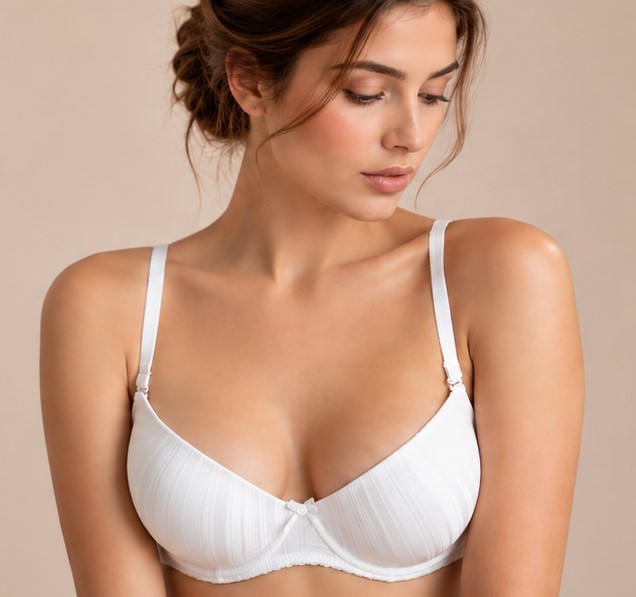
Fat transfer breast augmentation enhances breast volume and shape using your own body fat instead of breast implants. The procedure combines targeted fat removal with carefully placed fat transfer to create a subtle, natural-looking enhancement.
Your surgeon first removes unwanted fat from selected donor areas, such as the abdomen, thighs, or flanks. After processing the harvested fat, the surgeon carefully places it into the breasts to improve volume, contour, and balance.
This approach can suit patients who want a modest increase in breast size while also refining areas with unwanted fat. Because the procedure uses your own tissue, the result can feel and look more natural than an implant-based augmentation.
Your surgeon harvests fat from selected areas of your body and transfers it to the breasts.
Fat removal can create a more defined appearance in the areas that supply the transferred fat.
Fat transfer works well for patients seeking a natural-looking increase rather than a dramatic change in breast size.
Fat transfer breast augmentation combines targeted fat removal with precise fat placement to enhance breast volume and shape. Your surgeon carefully prepares the harvested fat before transferring it into selected areas of the breasts.
Your surgeon removes unwanted fat from suitable donor areas, such as the abdomen, thighs, hips, or flanks. The selected area depends on your body and the amount of fat needed for the procedure.
The harvested fat goes through careful processing to separate usable fat cells from fluids and unwanted material. Your surgeon then prepares the viable fat for transfer.
Your surgeon injects the prepared fat into carefully selected areas of the breasts. Strategic placement helps improve volume, contour, symmetry, and overall breast shape.
The transferred fat gradually settles as the breasts heal. Some of the transferred fat may be reabsorbed, while the surviving fat cells can provide lasting volume.
Your surgeon will tailor the technique to your anatomy, available donor fat, breast shape, and desired outcome.
Fat transfer breast augmentation may suit people who want a modest increase in breast volume and prefer to use their own body fat rather than implants.
You prefer a subtle increase in breast size with a natural-looking shape and feel rather than a dramatic change.
Your body has enough suitable fat in areas such as the abdomen, thighs, hips, or flanks to support the transfer.
You want to enhance your breasts without placing a silicone or saline implant inside the breast.
A relatively stable weight can help support more predictable and lasting results after fat transfer.
Good overall health and realistic expectations help create a safer surgical experience and a more suitable outcome.
You understand that fat transfer usually provides a moderate enhancement and may require more than one treatment to reach your desired result.
A consultation helps determine whether you have enough suitable donor fat and whether this approach matches your breast enhancement goals.
Fat transfer can enhance breast volume and shape while using your own body fat. It can also refine selected donor areas during the same procedure.
Your own fat can create a soft, natural-looking increase in breast volume and help refine breast contours.
The procedure does not require a silicone or saline implant, making it an option for patients who prefer implant-free breast enhancement.
Liposuction removes unwanted fat from selected donor areas, allowing you to improve breast volume while refining another area of your body.
Your surgeon can place fat strategically to address specific areas of volume loss, contour concerns, or mild breast asymmetry.
Fat transfer works well for patients who want a moderate enhancement rather than the larger size changes that implants can provide.
The procedure uses fat harvested from your own body, providing an approach based on your existing tissue rather than an artificial implant.
Fat transfer does not suit every patient or every breast enhancement goal. Your surgeon can assess your anatomy, available donor fat, and desired outcome during consultation.
Both approaches can enhance breast size and shape, but they work in different ways. Understanding the key differences can help you choose an option that fits your goals and preferences.
The right choice depends on your desired breast size, available donor fat, body shape, and expectations. During your consultation, your surgeon can assess these factors and recommend the most suitable approach.
Fat transfer breast augmentation combines liposuction with precise fat placement to enhance breast volume and shape using your own body fat.
Your surgeon evaluates your breast shape, available donor fat, skin quality, and aesthetic goals. Together, you can discuss the amount of enhancement you want and whether fat transfer suits your anatomy.
The surgeon removes suitable fat from selected areas such as the abdomen, thighs, hips, or flanks using liposuction. The donor areas depend on your individual body shape and available fat.
The harvested fat undergoes careful processing to separate suitable fat cells from unwanted fluids and impurities before transfer.
Your surgeon carefully injects the prepared fat into selected areas of the breasts. Strategic placement helps create balanced volume and a natural-looking contour.
After the procedure, your surgeon provides tailored recovery instructions. Swelling gradually settles as the transferred fat establishes itself within the breast tissue.
The exact technique, donor areas, and amount of fat transferred vary from patient to patient. Your surgeon will create an individualized plan based on your anatomy, goals, and the amount of enhancement you want.
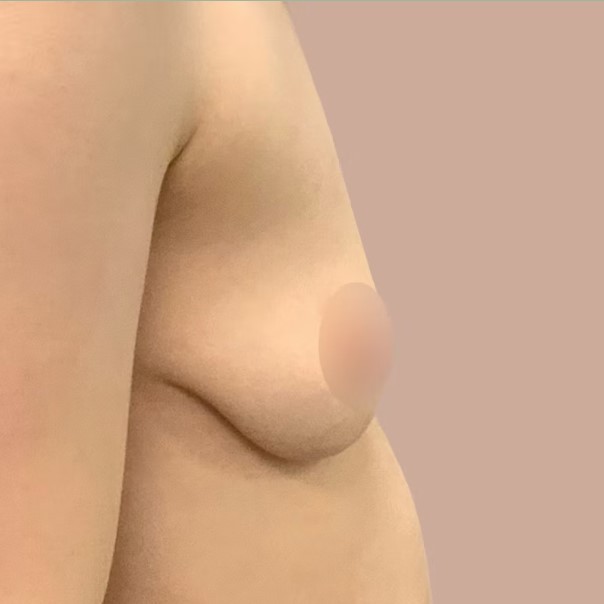
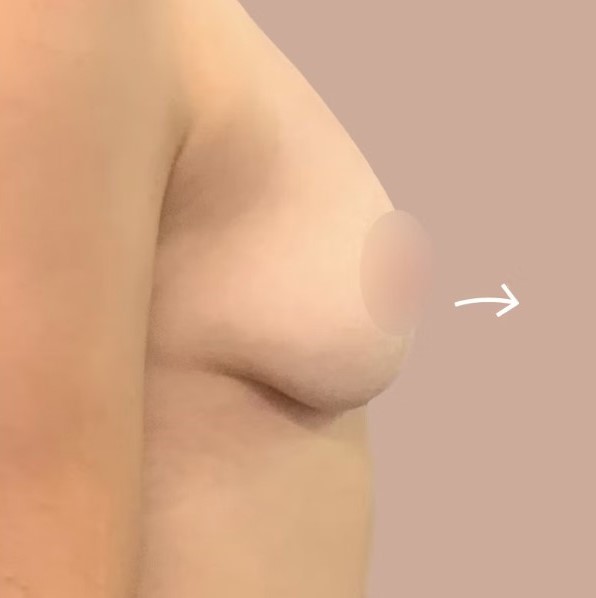
Explore an example of breast enhancement following fat transfer. Results vary depending on your anatomy, available donor fat, and individual treatment plan.
 BEFORE
 AFTER
Every patient heals differently. Before-and-after results can vary based on breast anatomy, skin quality, donor fat volume, and the surgical technique used.
Your breasts and donor areas need time to settle after fat transfer. Swelling gradually decreases as the transferred fat integrates with the surrounding tissue and your final shape becomes clearer.
You may experience swelling, bruising, tenderness, and discomfort in the breasts and areas treated with liposuction. These effects usually improve as your body heals.
Your breast shape will continue to change as swelling settles and the transferred fat stabilizes. Your surgeon will assess your progress throughout the healing process.
Rest, protect the treated areas, and follow your surgeon’s recovery instructions.
Bruising and tenderness usually continue to settle as you gradually return to normal activities.
Swelling continues to resolve while the transferred fat settles into the breast tissue.
Your surgeon can evaluate your longer-term result once healing has progressed and the breast shape has stabilized.
Fat transfer can create subtle breast enhancement while also contouring the areas used for fat harvesting. Your final result depends on your anatomy, available donor fat, healing response, and treatment plan.
Fat transfer breast augmentation uses your own fat, but it still involves surgery and carries potential risks. Understanding its limitations can help you make an informed decision about your treatment.
As with any surgical procedure, complications can occur. Your surgeon will assess your health and explain the risks that apply to your individual treatment plan.
Fat transfer provides a more subtle form of breast enhancement than implants. The amount of enlargement depends on your anatomy and the amount of suitable donor fat available.
Breast appearance can change during the healing process. Swelling and bruising may temporarily affect breast size, shape, and symmetry before the tissues settle.
A detailed consultation allows your surgeon to review your anatomy, medical history, available donor fat, and desired outcome. Your surgeon can then explain the potential risks, limitations, and alternatives specific to you.
The cost of fat transfer breast augmentation in Turkey varies from patient to patient. Your surgeon will create a personalised treatment plan after assessing your goals, breast anatomy, and available donor areas.
Several factors can influence the overall cost of your procedure, including the amount of fat that needs to be harvested and the areas selected for liposuction.
Fat transfer breast augmentation combines breast enhancement with fat harvesting. Your final cost depends on the surgical approach that best suits your anatomy and desired result.
A detailed assessment allows your surgeon to explain the recommended approach and the expected costs.
During your consultation, you can discuss your aesthetic goals, suitable donor areas, expected results, and whether a fat transfer alone can meet your needs. You will receive a personalised cost estimate based on your treatment plan.
Find answers to common questions about fat transfer breast augmentation, including candidacy, results, recovery, and how the procedure compares with breast implants.
Fat transfer breast augmentation uses your own body fat to add volume and refine the shape of your breasts. Your surgeon harvests suitable fat with liposuction, processes it, and carefully transfers it into the breasts.
The procedure may suit adults who want a modest increase in breast volume and have enough suitable donor fat. Good overall health, stable weight, and realistic expectations also support candidacy.
Fat transfer usually provides a more subtle increase than breast implants. The achievable change depends on your available donor fat, breast anatomy, and how much transferred fat survives.
Some of the transferred fat naturally becomes reabsorbed during healing. The fat that successfully establishes a blood supply can provide long-lasting volume, although future changes in body weight can affect the breasts.
Your surgeon may harvest fat from areas such as the abdomen, flanks, thighs, hips, back, or other suitable donor sites. The choice depends on your anatomy and the amount of fat available.
Neither option is best for everyone. Fat transfer can provide a subtle, natural-feeling enhancement without an implant, while implants can provide greater and more predictable volume. Your surgeon can help you compare both options based on your goals.
Fat transfer can help refine differences in breast volume and contour. Your surgeon can place different amounts of fat in each breast to create a more balanced appearance when appropriate.
Fat transfer can improve breast volume and contour, but it does not remove excess skin or provide the same lift as mastopexy surgery. Patients with significant sagging may benefit from discussing a breast lift with their surgeon.
Recovery involves healing in both the breasts and the areas treated with liposuction. Swelling, bruising, tenderness, and discomfort can occur, while your surgeon will provide specific instructions for returning to work and exercise.
Your breasts will change as swelling decreases and the transferred fat settles. Final results can take several months to become clear, depending on your individual healing process.
Potential risks include bleeding, infection, bruising, swelling, fat necrosis, contour irregularities, breast cysts, calcifications, and changes in breast symmetry. Your surgeon will discuss your individual risks before treatment.
The cost varies according to your treatment plan, including the amount of fat required, donor areas, surgical approach, and any additional procedures. A personalised consultation provides the most accurate estimate.
A breast lift may be combined with fat transfer when appropriate. The lift addresses excess skin and breast position, while fat transfer can add or restore volume in selected areas.
Every patient has different anatomy and expectations. A personalised consultation can help you understand whether fat transfer is the right approach for you.
Contact our team to discuss your goals, receive your personalized treatment plan, and begin your journey to Istanbul with confidence.