01
Capsular Contracture
Scar tissue around an implant can become firm and tight. This may cause discomfort, breast firmness, distortion, or changes in the position of the implant.
Personalised breast implant revision surgery designed to address implant concerns, changes in breast shape, and evolving aesthetic goals while preserving natural-looking proportions and individual anatomy.

Breast implant revision surgery addresses changes, complications, or concerns that develop after a previous breast augmentation. The procedure may involve replacing or removing implants, adjusting the implant pocket, treating scar tissue, or improving breast shape and symmetry.
Every revision requires an individual surgical plan. Your surgeon evaluates your existing implants, breast tissue, scars, implant position, and aesthetic goals before recommending the most appropriate approach.
Breast implants can change over time as your body, lifestyle, and personal preferences change. Revision surgery can address implant concerns, breast changes, or aesthetic goals that have developed since your original augmentation.
Scar tissue around an implant can become firm and tight. This may cause discomfort, breast firmness, distortion, or changes in the position of the implant.
An implant can rupture or deflate over time. Revision surgery can remove the affected implant and address changes in the surrounding breast tissue.
Visible or palpable implant rippling can affect the breast contour, particularly when limited soft-tissue coverage allows the implant surface to become more noticeable.
You may want to change the size, shape, profile, or type of your implants to better match your current preferences, proportions, or lifestyle.
Differences in breast position, volume, or implant placement can develop or become more noticeable after augmentation. Revision can improve balance when appropriate.
An implant can shift from its intended position and affect breast shape. Revision may correct concerns such as lateral displacement, bottoming-out, or other position changes.
Ageing, pregnancy, breastfeeding, weight changes, and the natural effects of time can change breast shape. Some patients may benefit from combining revision with a breast lift.
Pain or persistent discomfort may relate to scar tissue, implant position, or another implant-related concern. Your surgeon can assess the cause and discuss suitable options.
Pregnancy and breastfeeding can alter breast volume, skin elasticity, and breast position. Revision can address these changes according to your anatomy and goals.
Some patients choose to change their implant type or characteristics during revision. Your surgeon can explain the available options based on your individual needs.
Breast implant revision suits patients who want to address an implant-related concern, improve their breast appearance, or change their implants after a previous augmentation.
Your surgeon will assess your overall health, breast tissue, existing implants, previous surgery, and personal goals before recommending a revision plan.
You are generally healthy enough to undergo elective surgery and recover safely.
You do not smoke, or you can stop smoking for the period your surgeon recommends around surgery.
You have a specific concern, such as implant changes, discomfort, asymmetry, or an aesthetic goal.
You understand what revision surgery can achieve and accept that results depend on your individual anatomy.
You understand that revision surgery can require a more individualised approach than your first augmentation.
A consultation helps your surgeon understand your previous augmentation, examine your breast tissues and implants, and determine which surgical options may suit your needs.
Breast implant revision can address implant-related concerns, improve breast appearance, and help you feel more comfortable with your results.
Revision surgery can address discomfort related to implant position, scar tissue, or other implant-related concerns.
Your surgeon can adjust implant size, position, or other factors to create a breast shape that better matches your goals.
Revision surgery can allow you to change implant size, type, or placement based on your current anatomy and preferences.
Depending on your individual case, revision can address concerns such as capsular contracture, rupture, rippling, or implant malposition.
Revision can help address changes linked to pregnancy, weight changes, ageing, or natural changes in breast tissue.
Addressing an implant concern or changing an unwanted result may help you feel more comfortable and confident in your appearance.
Breast implant revision requires an individualised surgical plan. Your surgeon may use one or more techniques based on your implants, breast tissue, previous surgery, and desired outcome.
Your surgeon removes the existing implants and replaces them with new implants that better match your current preferences, anatomy, or aesthetic goals.
A capsulectomy removes part or all of the scar tissue capsule surrounding an implant. Your surgeon may recommend it when capsular contracture causes firmness, distortion, or discomfort.
Your surgeon may modify the implant pocket or change implant placement to improve position, correct movement, or address concerns such as visible rippling or animation deformity.
In selected cases, your surgeon may use an acellular dermal matrix or similar reinforcement to support stretched tissue and help stabilise the implant pocket.
Your surgeon can harvest fat from another area of your body and transfer it to selected areas of the breast to improve contour, soften visible implant edges, or add subtle volume.
When breast tissue has become loose or sagging, your surgeon may combine revision surgery with a breast lift to improve breast position and overall shape.
If you no longer want breast implants, your surgeon can remove them. Depending on your breast tissue and goals, additional procedures may help restore breast shape.
Some patients need more than one technique. Your surgeon may combine implant exchange, pocket revision, fat grafting, capsulectomy, or a breast lift to address several concerns during one carefully planned procedure.
Your surgeon will recommend the most appropriate technique after assessing your existing implants, breast tissue, previous surgery, and desired outcome.
Every revision procedure follows an individual surgical plan. Your surgeon will tailor each stage to your implants, breast tissue, previous surgery, and treatment goals.
Your surgeon reviews your previous augmentation, examines your breasts, and discusses your concerns and desired outcome. The consultation helps determine which revision techniques best suit your anatomy and goals.
Your surgeon may request blood tests or imaging, such as ultrasound or MRI, when needed to assess your existing implants and surrounding breast tissue. You will also receive personalised instructions before surgery.
Under anaesthesia, your surgeon makes carefully planned incisions, often using previous scar lines when appropriate. The existing implants can then be removed or exchanged, while the surrounding pocket can be modified when necessary.
Depending on your needs, your surgeon may perform procedures such as capsulectomy, pocket correction, implant repositioning, fat grafting, implant exchange, or a breast lift.
If you choose new implants, your surgeon places them according to the surgical plan. The breast pocket and surrounding tissues receive any necessary adjustments before the incisions are closed.
After surgery, your care team monitors you as you recover from anaesthesia. You receive instructions for pain control, wound care, activity, and follow-up so your recovery can progress safely.
The exact surgical approach depends on your existing implants, breast tissue, previous procedures, and desired outcome.
Breast implant revision requires careful planning because previous surgery can change the breast tissue, implant pocket, and available surgical options. We assess each patient individually and plan the procedure around their specific concerns.
We review your previous breast surgery, examine your breast tissue, and assess your existing implants. Imaging may help provide additional information when your surgeon considers it appropriate.
Your surgeon selects the revision technique according to your anatomy, implant condition, previous procedures, and desired outcome rather than using a standard approach.
When appropriate, your surgeon can use existing incision lines and carefully manage the implant pocket to limit unnecessary tissue disruption and additional scarring.
If you need new implants, your surgeon considers implant size, shape, type, placement, and your available soft-tissue coverage when developing the surgical plan.
Follow-up appointments allow your surgical team to monitor healing, assess your progress, and address concerns that may arise during recovery.
Revision surgery can involve greater complexity than a first breast augmentation. Your surgeon will explain the potential risks, limitations, and expected recovery during your consultation.
When appropriate, your surgeon can use existing incision lines to help avoid unnecessary additional scarring.
Breast implant revision can leave scars, but your surgeon plans incisions carefully to keep them as discreet as possible. The location and appearance of your scars depend on the revision technique, your previous incisions, and your individual healing response.
When suitable for your procedure, your surgeon may use your previous implant incision. This approach can help avoid creating an additional scar.
Depending on your surgical plan, incisions may sit within an existing scar, around the areola, or along the fold beneath the breast. A breast lift may require additional incision patterns.
Fresh scars often appear more noticeable during the early healing period. They usually soften and fade gradually as the tissues heal and mature.
Your surgical team will provide appropriate wound and scar-care instructions. Following those recommendations and protecting healing incisions can support healthy scar maturation.
Your surgeon will discuss the expected incision pattern and potential scarring during your consultation before creating your individual surgical plan.
Recovery varies according to the revision technique, implant position, and any additional procedures performed. Your surgeon will create a recovery plan based on your individual needs and surgical goals.
Mild tightness, swelling, bruising, and discomfort can occur during the first few days. Your surgeon may recommend prescribed or over-the-counter pain relief and a supportive surgical bra.
Many patients return to non-strenuous work within one to two weeks. Swelling and bruising should continue to settle, although your breasts may still feel firm or tight.
Your surgeon will guide you on when to resume exercise, lifting, and other strenuous activities. Many patients return to these activities around four to six weeks, depending on their healing and procedure.
Breast tissues and implants can continue to settle as swelling resolves and scars mature. Implant position, breast shape, and overall results may continue to refine for several months.
Breast implant revision can improve concerns such as implant position, size, asymmetry, rippling, capsular contracture, or changes in breast shape. The final result depends on your anatomy, tissue quality, implant choice, and the techniques used during surgery.
Follow your personalised postoperative instructions.
Wear supportive garments when your surgeon recommends them.
Avoid strenuous activity until your surgeon clears you.
Attend follow-up appointments so your healing can be assessed.
Recovery times vary between patients. More complex revisions, including capsulectomy, implant repositioning, breast lift, or fat grafting, may require a longer recovery period.
The cost of breast implant revision varies because each procedure addresses different concerns. Your individual surgical plan, implant choice, and the techniques required will all influence the final cost.
Implant exchange, capsulectomy, pocket revision, implant removal, fat grafting, or a breast lift can require different levels of surgical planning.
The type, size, shape, and brand of your new implants can affect the overall procedure cost.
Some patients may benefit from combining revision with a breast lift, fat grafting, or other corrective techniques.
Previous surgery, scar tissue, implant position, breast tissue quality, and the complexity of the revision can affect the final treatment plan.
We provide a personalised cost estimate after assessing your existing implants, breast anatomy, surgical goals, and the techniques required for your revision.
A consultation allows your surgeon to assess your individual circumstances and explain the expected costs before you proceed.
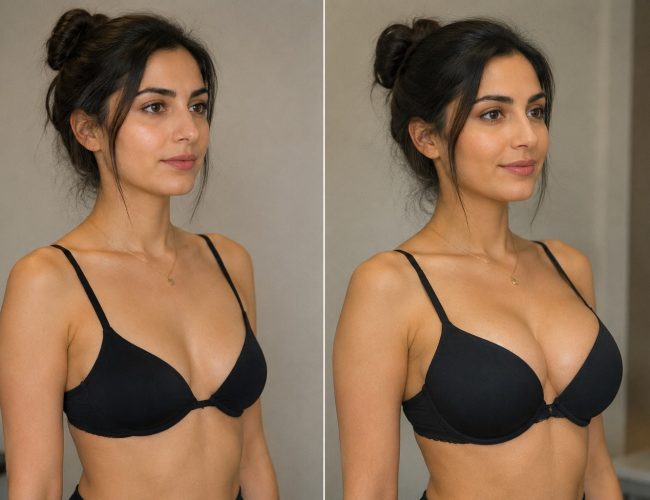
Breast implant revision can address changes in implant position, size, shape, breast tissue, or previous surgical results. Each revision requires an individual plan based on the patient's anatomy, concerns, and desired outcome.
Your surgeon evaluates your existing implants, breast tissue, scars, and surgical goals.
Treatment aims to improve breast proportion, symmetry, contour, and overall appearance.
Your surgical plan may include implant exchange, pocket correction, capsulectomy, lift, or other techniques when appropriate.
Before-and-after results vary between patients. Your surgeon will discuss realistic outcomes during your consultation.
Breast implant revision can address concerns that develop after an earlier augmentation. The right approach depends on your health, breast anatomy, existing implants, and personal goals.
You may want to address implant size, position, asymmetry, rippling, rupture, capsular contracture, or changes in breast shape.
Your surgeon will review your medical history, previous surgery, medications, and overall health before recommending revision surgery.
Revision surgery can involve more complex planning than a first augmentation, especially after multiple procedures or significant scar tissue.
A clear understanding of what surgery can and cannot achieve helps you make an informed decision about your treatment.
During your consultation, your surgeon can assess your existing implants and breast tissues, discuss your concerns, and explain the surgical options that may suit your goals.
The best way to determine whether breast implant revision is appropriate for you is through an individual consultation with a qualified plastic surgeon.
Every breast implant revision requires an individual plan. These answers explain common questions about timing, techniques, recovery, scars, implants, and long-term results.
Breast tissue needs time to heal before elective revision surgery. Many surgeons prefer to wait six to twelve months, although the timing can vary when pain, severe capsular contracture, rupture, or another significant complication requires earlier treatment.
Surgeons often use the existing incision when the surgical plan allows it. This approach can avoid creating another scar, but the incision location depends on the procedure, implant position, scar tissue, and your individual anatomy.
Yes. An implant revision can include changing the implant type, size, profile, or volume when appropriate. Your surgeon will assess your breast tissue, existing implant, goals, and available options before recommending a change.
Yes. A breast lift can accompany implant exchange, repositioning, or removal when breast sagging or loose skin affects the result. Combining procedures allows the surgeon to address both implant concerns and breast shape.
Recovery depends on the technique and whether your revision includes procedures such as capsulectomy, implant repositioning, fat grafting, or a breast lift. Many patients return to non-strenuous work within one to two weeks, while strenuous activity may require four to six weeks or longer.
Revision surgery can improve breast shape, symmetry, implant position, and proportions when these concerns contribute to an unnatural appearance. The final result depends on your anatomy, tissue quality, implants, and surgical plan.
Revision surgery can involve additional scar tissue, altered breast anatomy, or previous changes to the implant pocket. These factors can make revision more complex than a first augmentation. Your surgeon will discuss the risks that apply to your specific procedure.
Yes. Implant removal, or explantation, can be performed when you no longer want implants. Depending on your skin elasticity, breast tissue, and previous implant size, your surgeon may also discuss a breast lift or fat grafting.
Revision results can last for many years, but your breasts will continue to change with aging, pregnancy, weight fluctuations, and other factors. Breast implants are not lifetime devices and may require future evaluation or replacement.
The cost depends on the complexity of your revision and the techniques required. Implant exchange, capsulectomy, pocket correction, fat grafting, or a breast lift can all affect the overall surgical plan and cost.
Contact our team to discuss your goals, receive your personalized treatment plan, and begin your journey to Istanbul with confidence.